

Posting content that violates platform guidelines can lead to shadow bans, account suspensions, or lost reach. Media teams need reliable checkpoints to verify compliance before publishing. This guide outlines seven strategic places to review your social media assets against current platform rules.
1. Native Platform Creator Centers
Official documentation provides the definitive source of truth for each network. Every major social platform maintains a dedicated creator or developer center that outlines acceptable use policies. These pages detail specific restrictions on content types, such as graphic violence, political speech, or commercial claims. Reviewing these documents ensures your team understands the baseline rules for each specific channel.
2. Platform-Specific Brand Safety Tools
Automated scanners flag potential policy violations before you hit publish. Many platforms offer built-in safety checks or third-party integrations that analyze media for prohibited content. These tools scan images, videos, and text for elements that might trigger automated moderation systems. Using these checks helps prevent content from being flagged by algorithms that enforce community standards.
3. Unified Creative Review Workspaces
Centralized review environments keep feedback and compliance checks together. A unified workspace allows teams to review content alongside the specific platform guidelines it must meet. For example, creative workflow management tools can attach compliance notes directly to the media file. This ensures that the person approving the final cut has seen the compliance verification.
4. AI-Powered Content Analysis Assistants
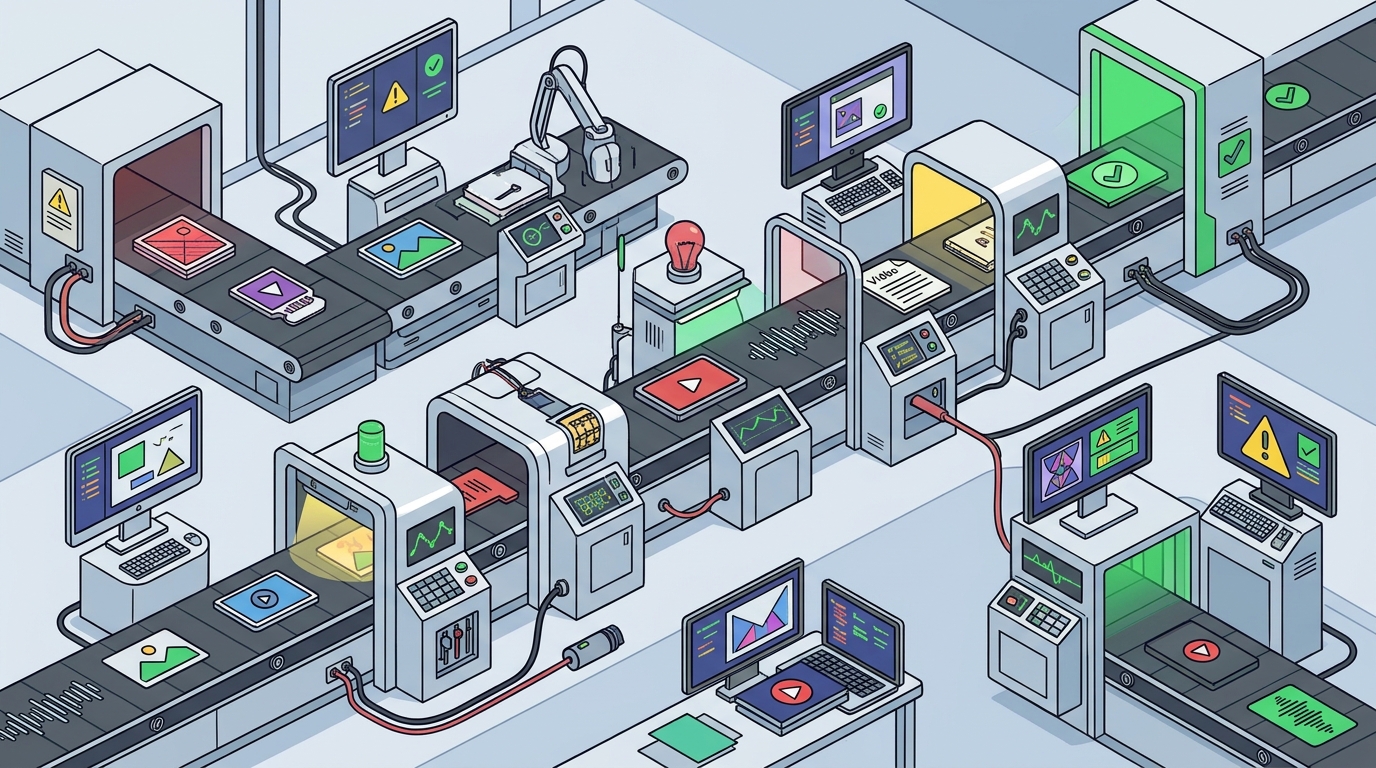
Intelligent assistants can cross-reference content against multiple platform rules simultaneously. AI operations partners can analyze a single asset and highlight how it performs across different networks. For instance, Xander can review a video cut and provide feedback on whether it aligns with specific brand or platform requirements. This reduces the manual effort of checking each platform individually.
5. Internal Brand and Compliance Playbooks
Internal documentation standardizes how your team interprets platform rules. While platforms set the baseline, your organization may have stricter internal standards. A centralized knowledge base allows you to store these specific guidelines alongside the work. This ensures that every team member applies the same compliance criteria, regardless of their role or location.
6. Pre-Publishing Staging Environments
Testing content in a sandbox reveals how platforms render and moderate it. Some platforms allow you to create private or unlisted posts to test visibility and moderation. This step is crucial for identifying issues that only appear after upload, such as metadata stripping or audio flagging. Staging environments provide a safe space to verify that the content behaves as expected before public release.
7. Dedicated Compliance Review Tasks
Assigning specific ownership ensures no asset skips the compliance check. A task management system can enforce a workflow where compliance review is a mandatory step before approval. By linking the media file to a specific compliance task, you create an audit trail. This structure ensures that no content moves to the publishing stage without a documented sign-off from the responsible party.
Choosing the Right Checkpoint
Select the checkpoint that matches the risk level of your content. For high-stakes campaigns, combine native platform documentation with AI-assisted review and internal playbooks. For routine posts, automated scanners and unified workspaces may suffice. The goal is to create a frictionless process that protects your brand without slowing down production.
Frequently Asked Questions
Where should I keep my platform compliance notes?
Keep compliance notes directly attached to the media file within your project management workspace. This ensures that reviewers see the context immediately without searching for separate documents. Tools like project management platforms allow you to store these notes in a shared knowledge base.
Can AI tools replace human compliance review?
AI tools can flag obvious violations and speed up the process, but human review is still necessary for nuanced context. Use AI to handle the initial scan and human reviewers to make final decisions on complex or borderline content. This hybrid approach balances efficiency with accuracy.
How often should I update my compliance playbooks?
Review and update your playbooks whenever a platform announces significant policy changes. Additionally, conduct a quarterly audit of your internal guidelines to ensure they remain aligned with current best practices. Regular updates prevent your team from relying on outdated rules.
What is the best way to track compliance across multiple platforms?
Do I need separate tools for each social platform?
No, a single integrated platform can manage reviews for multiple networks. Look for tools that support various file types and provide a consistent interface for all platforms. This reduces the learning curve and ensures a consistent review process for your team.
How can I ensure clients see the compliance status?
Use secure sharing links that allow clients to view the content and its approval status. This transparency helps clients understand that their content has passed all necessary checks. It also reduces back-and-forth communication regarding compliance concerns.
Start Your Compliance Workflow
Ensure your media team is equipped with the right tools to check content against platform rules. FridayHQ provides a unified workspace where you can manage reviews, tasks, and compliance checks in one place. Start your free trial today to streamline your media operations.